Dermestid Beetles and Moths: Lesser-Known Wood Pest Threats

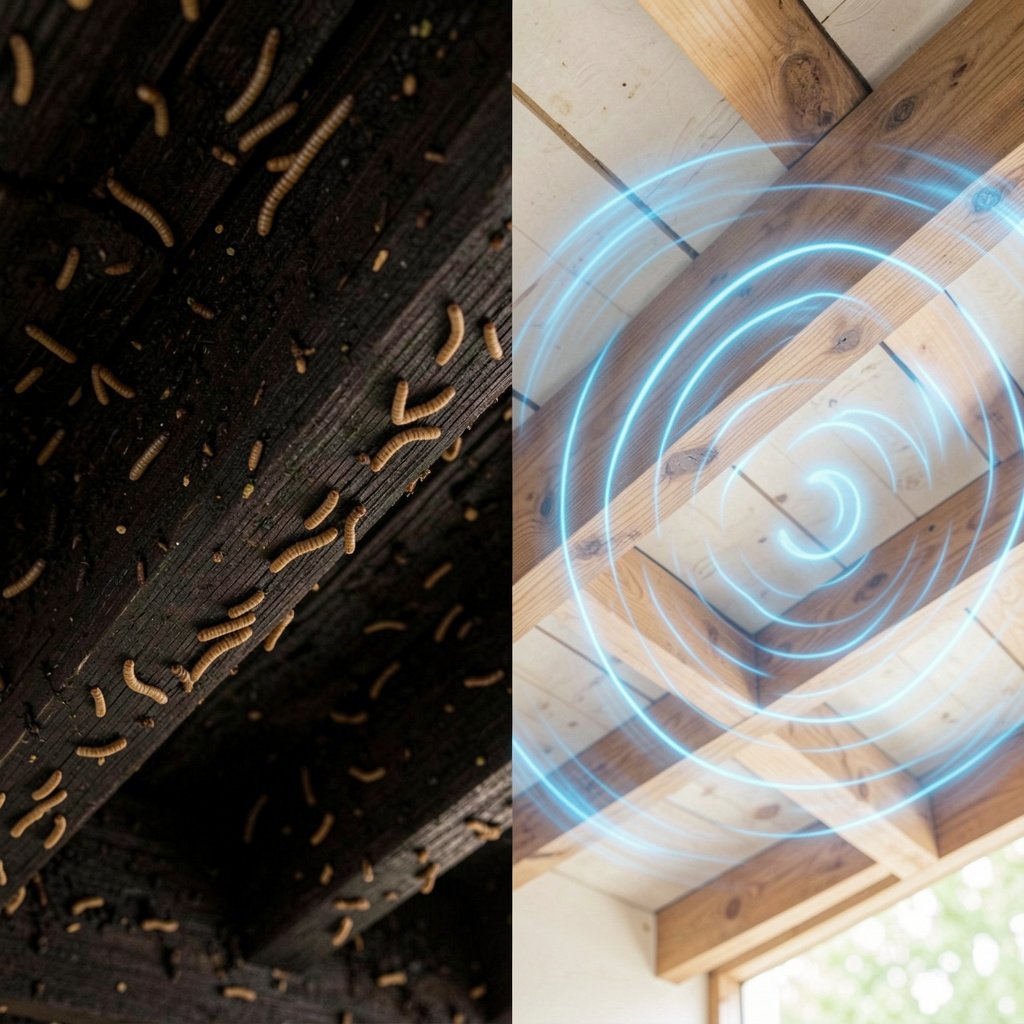
When people think of pests that damage wood, woodworms and termites usually come to mind. However, they are not the only insects capable of causing problems in buildings that contain timber and other natural materials. Dermestid beetles and certain moth species are lesser-known pests that can damage valuable collections, natural fibers, and organic materials found alongside wooden structures. While these insects do not all attack timber in the same way as wood-boring beetles, their presence can signal conditions that require attention.
Understanding the differences between these pests is essential for protecting homes, museums, historic buildings, and valuable possessions. Modern preservation strategies combine regular inspections, moisture control, and targeted treatments where needed. Shashel supports comprehensive wood preservation through advanced microwave technology designed to eliminate active wood-boring insect infestations without relying on harmful chemicals.
Understanding Different Types of Wood-Related Pests
Not every insect found in or around wood actually feeds on timber.
Some species attack:
- Structural wood
- Natural fibers
- Animal-based materials
- Stored organic products
- Decorative furnishings
Although the damage they cause varies, all of these pests can become a concern in homes, historic properties, museums, and heritage buildings.
Knowing which insect is present is the first step toward selecting the appropriate treatment.
What Are Dermestid Beetles?
Dermestid beetles, often called carpet beetles or hide beetles depending on the species, belong to a family of insects that feed primarily on animal-based organic materials rather than wood itself.
They are commonly attracted to:
- Wool
- Leather
- Feathers
- Fur
- Taxidermy collections
- Natural-fiber textiles
- Stored museum specimens
The larvae are responsible for most of the damage, feeding slowly while remaining hidden in dark or undisturbed areas.
Although dermestid beetles do not normally bore into structural timber like woodworms, they are frequently found in older buildings where valuable wooden furniture, antiques, and natural materials are stored together.
Moths That Damage Natural Materials
Several moth species can also damage household belongings.
Their larvae feed on materials such as:
- Wool carpets
- Clothing
- Upholstery
- Blankets
- Curtains
- Animal-based textiles
Like dermestid beetles, these insects are more likely to damage furnishings than structural wood.
However, historic buildings often contain collections of antique fabrics, tapestries, and decorative materials that require the same level of protection as the timber itself.
Wood-Boring Beetles Remain the Primary Timber Threat
While dermestid beetles and moths can damage valuable possessions, wood-boring beetles remain the primary insect threat to structural timber.
Common examples include:
- Common furniture beetles
- Deathwatch beetles
- House longhorn beetles
- Powderpost beetles
Their larvae tunnel through wood for years, gradually weakening beams, floors, roof structures, and furniture from the inside.
Because these insects remain hidden beneath the surface, infestations often go unnoticed until visible signs appear.
This is where Shashel microwave technology offers an effective solution by targeting active insects inside the timber itself.
Signs You May Have Multiple Pest Problems
Older properties sometimes experience more than one type of infestation simultaneously.
Warning signs may include:
- Small round exit holes in timber
- Fine wood dust (frass)
- Damaged wool or natural fabrics
- Bald patches on carpets
- Shed insect skins
- Adult beetles near windows
- Moths flying indoors
- Unexplained damage to stored collections
Identifying the exact pest is important because treatment methods differ depending on the species involved.
Why Historic Buildings Require Special Attention
Museums, churches, libraries, castles, and heritage homes often contain a combination of:
- Original timber
- Antique furniture
- Historic textiles
- Leather-bound books
- Decorative woodwork
- Natural-fiber furnishings
Protecting these collections requires an integrated preservation strategy that addresses both structural wood pests and insects that attack organic materials.
For active wood-boring beetle infestations, Shashel provides a chemical-free treatment that helps preserve original timber while minimizing disruption to valuable historic interiors.
The Role of Moisture in Pest Activity
Excess moisture contributes to many pest problems.
Damp environments can:
- Encourage fungal growth
- Increase wood deterioration
- Create favorable conditions for some wood-boring beetles
- Reduce the overall condition of building materials
Keeping timber dry through proper maintenance helps reduce the likelihood of infestation while extending the life of wooden structures.
A Modern Approach to Woodworm Treatment
Traditional woodworm control often relies on chemical insecticides applied to the timber surface.
Modern microwave technology takes a different approach.
Instead of using pesticides, controlled microwave energy passes through the wood and heats moisture-rich insects hidden inside.
Woodworm larvae contain significantly more moisture than seasoned timber. As they absorb microwave energy, their internal temperature rises until they can no longer survive.
This allows Shashel systems to eliminate active infestations without leaving chemical residues behind.
Benefits of Microwave Technology
Microwave treatment offers several important advantages for timber preservation.
Chemical-Free
No pesticides, fumigants, or toxic preservatives are required.
Deep Penetration
Microwave energy targets insects inside the timber rather than only treating the surface.
Targeted Treatment
Localized infestations can be addressed with minimal disruption to surrounding areas.
Environmentally Responsible
Reducing chemical use supports sustainable building maintenance and healthier indoor environments.
Preserves Valuable Timber
Historic buildings, antique furniture, and heritage structures benefit from treatment methods that prioritize preservation.
Preventing Future Infestations
Long-term protection involves more than eliminating existing pests.
Property owners should:
- Inspect timber regularly.
- Keep wooden structures dry.
- Repair roof and plumbing leaks promptly.
- Improve ventilation.
- Store textiles and collections properly.
- Clean rarely used areas where insects may develop.
- Monitor for early signs of insect activity.
Regular maintenance helps reduce the likelihood of both wood-boring beetles and other household pests becoming established.
Protecting Buildings and Collections Together
Modern preservation recognizes that buildings are more than their structural components. Historic homes, museums, and heritage sites often contain valuable collections that deserve equal protection.
An integrated pest management approach combines:
- Routine inspections
- Moisture control
- Good housekeeping
- Proper storage
- Targeted treatment for active infestations
When wood-boring insects are identified, Shashel microwave technology provides a highly effective, chemical-free solution that complements broader conservation efforts.
Conclusion
Dermestid beetles and moths may not attack structural timber in the same way as wood-boring beetles, but they can still threaten valuable collections, natural-fiber furnishings, and historic interiors. Understanding the differences between these pests allows property owners to choose the most appropriate prevention and treatment strategies.
